

Sanitation for Dignity
Over 160 million people in India continue to live without a toilet.
Rural sanitation in India: the gap that remains
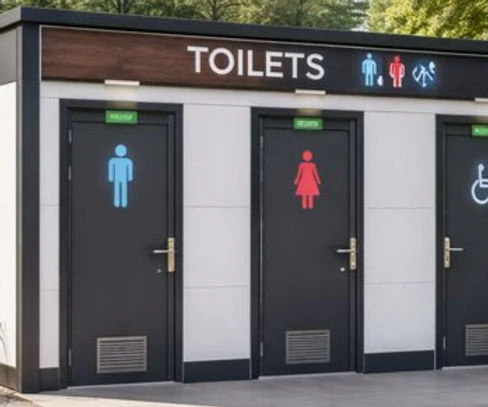
A toilet at home shapes a girl’s schooling and a woman’s safety, not just a family’s hygiene.
Access to a safe toilet is not merely a matter of sanitation. It is a matter of dignity, health, safety, and equality. Although India has made remarkable progress in expanding sanitation coverage, millions of people, particularly in rural areas, still lack access to a functional household toilet.
The gap is overwhelmingly rural: most of the households that still have no toilet are in villages.
Source: Jain A, Kumar A, Kim R, Subramanian SV. Prevalence and burden of no-toilet households in India, Global Health Action (2025) — an estimated 162.7 million people lived in households without a toilet in 2022–23.
For many rural women and adolescent girls, the absence of a toilet means walking long distances before dawn or after sunset to relieve themselves, often in isolated areas. This exposes them to embarrassment, health risks, harassment, and concerns for their personal safety. It can also affect girls' school attendance, menstrual hygiene, and overall well-being.


People's Collective India is committed to working alongside communities, government agencies, and partner organisations to ensure that every rural household has access to safe, hygienic, and functional sanitation facilities.
Our goal is to promote not only the construction of toilets, but also reliable water access, proper maintenance, hygiene awareness, and sustainable usage, so that every woman and child can live with dignity, confidence, and security.
Get involved